

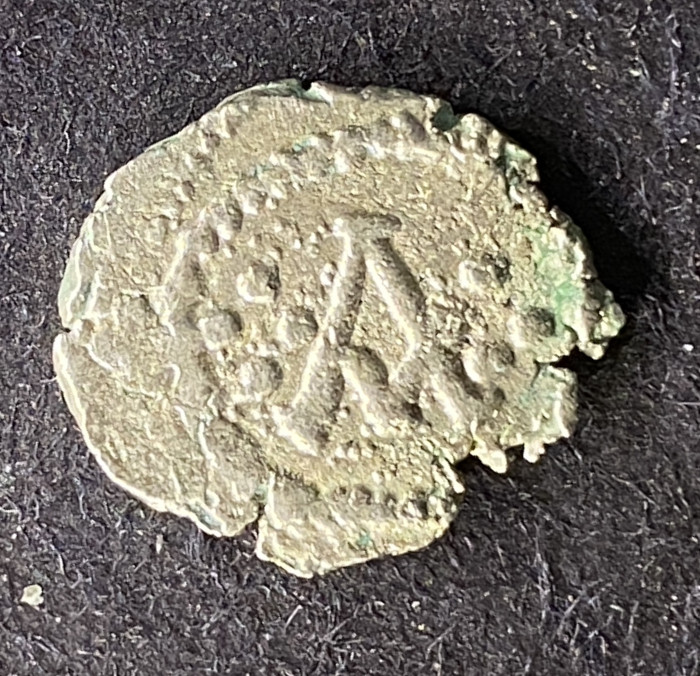
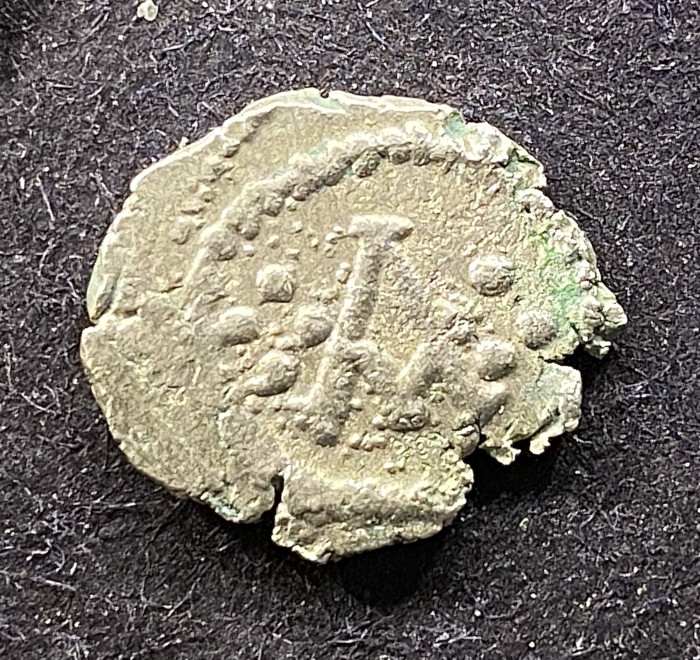
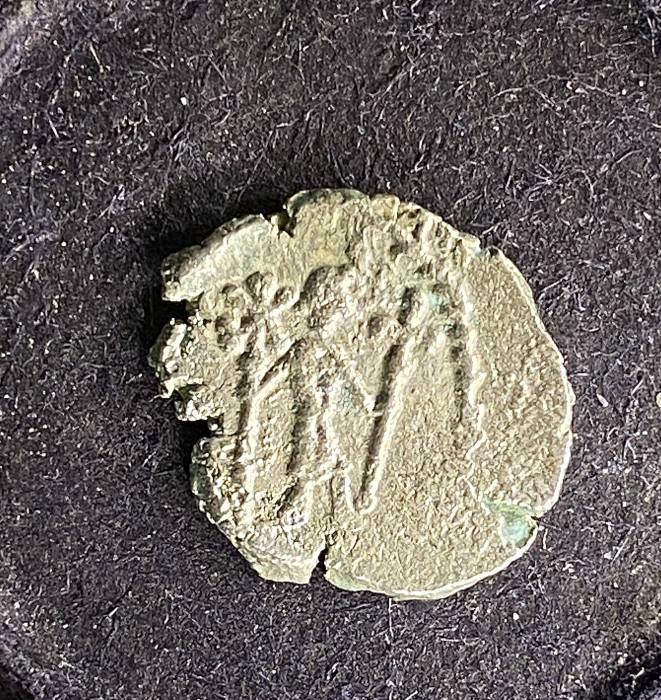
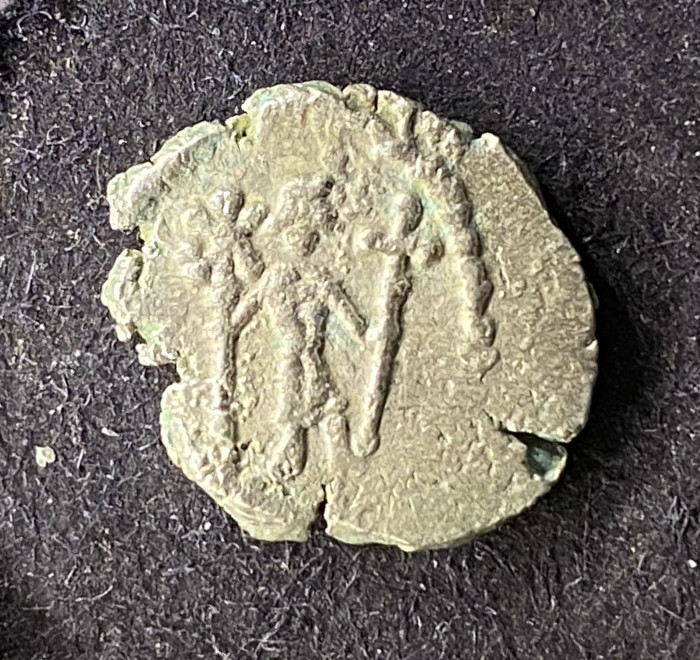
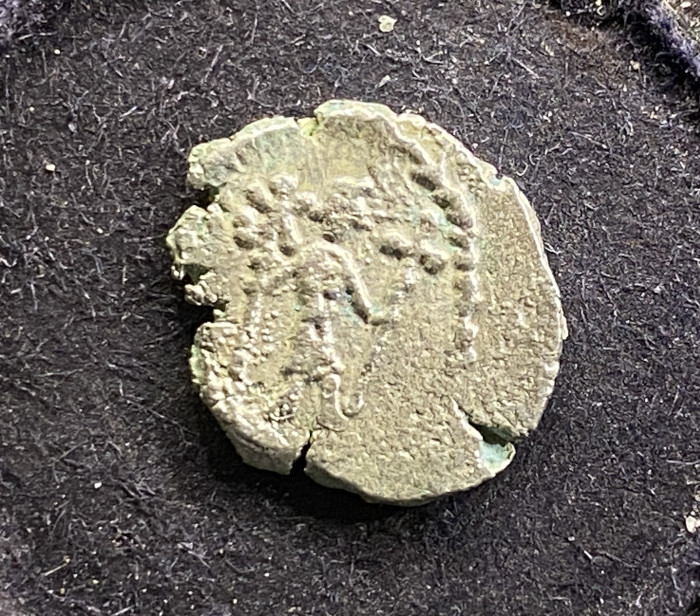
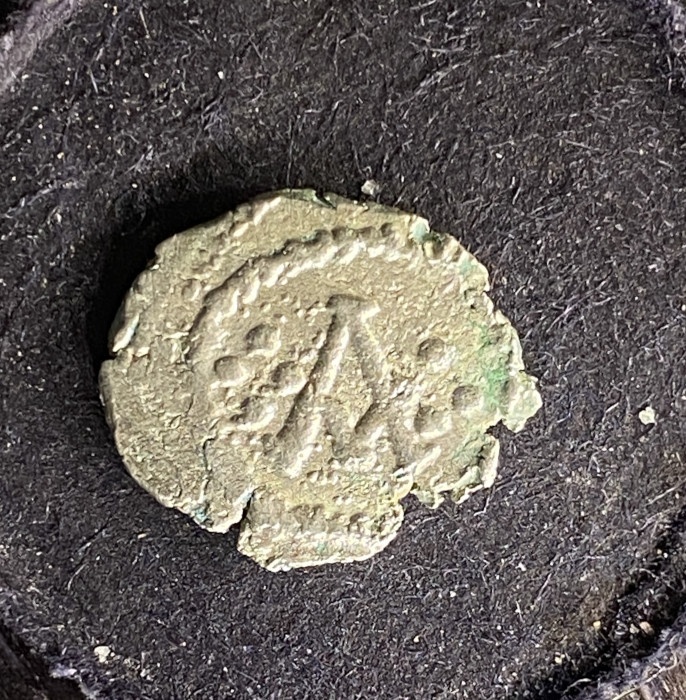
Description
| Ruler: Celtic Germanic, Lombards | Period: to |
|
|
|
- Celtic coins are a type of ancient coinage produced by the Celtic peoples across Europe. They were first produced in the late 4th century BC, and continued to be minted until the early 1st century AD. Celtic coins were typically made of silver or bronze, and often featured images of animals, humans, or deities. They are particularly attractive for their artistic approach and organic designs often based on Greek-Macedonian prototypes such as the coins of Philip and Alexander. The reason for this link seems to be that Greek military strategy often adopted Celtic warriors as mercenary troops, for which they paid in Greek gold coinage which in turn acted as prototypes for Celtic local coinage.
- The term Siliqua in ancient Rome referred to a unit measure of weight. Nowadays, the ancient siliqua is used to mean a small silver coin minted in the Roman Empire around the 4th century AD. The coin was originally worth 1/24th of a gold solidus.


