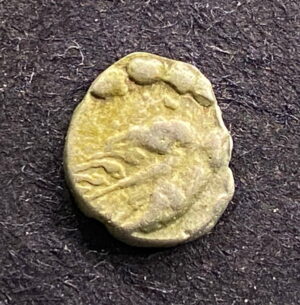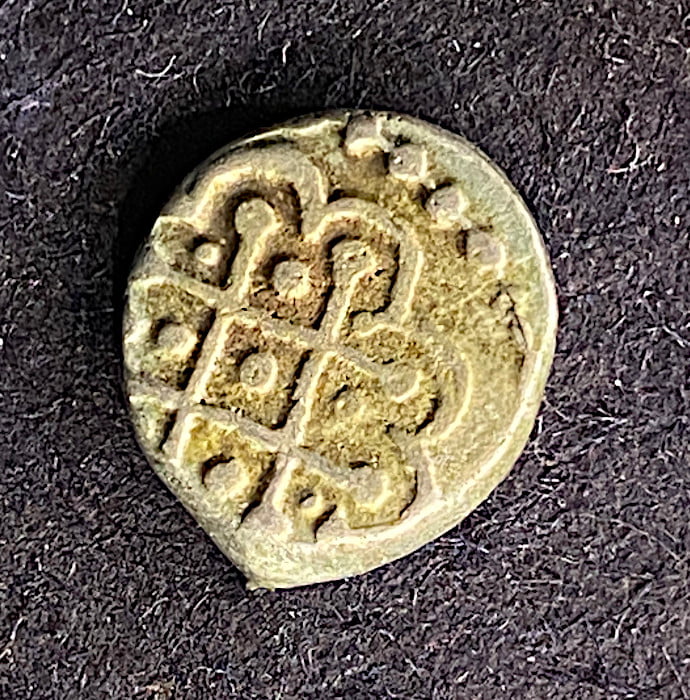
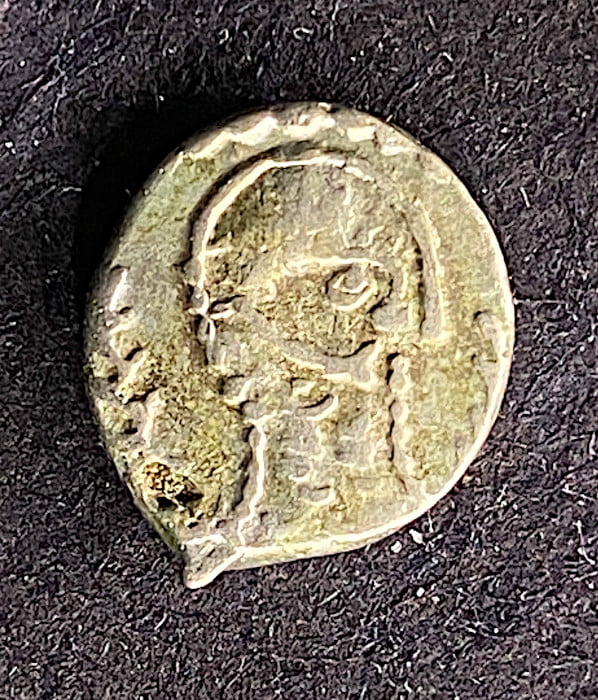
Description
| Ruler: crusaders | Period: 1163 to 1180 |
|
|
|
- The Franks were an ancient Germanic people who lived in Northern Gaul and north European regions first mentioned in the 3rd century by Roman historians although they were certainly active well before then. They were militarily active with and against the Romans as well as other neighbouring Germanic tribes such as the Saxons. Romanised Franks rose to power in the 5th century when they conquered most of Gaul in parallel with the collapse of the western Roman empire. Around the 460-500s under the leadership of kings such as Aegidius, Childeric and his son Clovis I, they gave rise to the Merovingian dynasty later followed around 800AD by the Carolingian dynasty to became one of the most powerful groups in Europe. In 732, they defeated the Muslim army at the Battle of Tours. The Franks also played a major role in the fall of Rome, the rise of Medieval Europe and the 'Holy Roman Empire' in contrast to the hegemony of the Byzantine Empire in the East. The term Frank or Frankish is very broad and hence also includes the regional involvement of the (Frankish) kingdoms in the Crusades through to the end of the middle ages around 1300.
- The Crusades were a series of religious wars fought by Christian knights against Muslim armies with the goal of taking back the Holy Land from the Muslims. The first Crusade began in 1095 and ended in 1099 with the capture of Jerusalem. There were 8 major Crusades and dozens of smaller ones over a period of 3 centuries through to the end of the 1200's, but they ultimately failed to achieve their goal. Crusader coins are a type of coin minted during the Crusades at locations such as Jerusalem or Antioch. They typically depict a cross or ruler's name on one side and a Christian symbol and mint location on the other.