


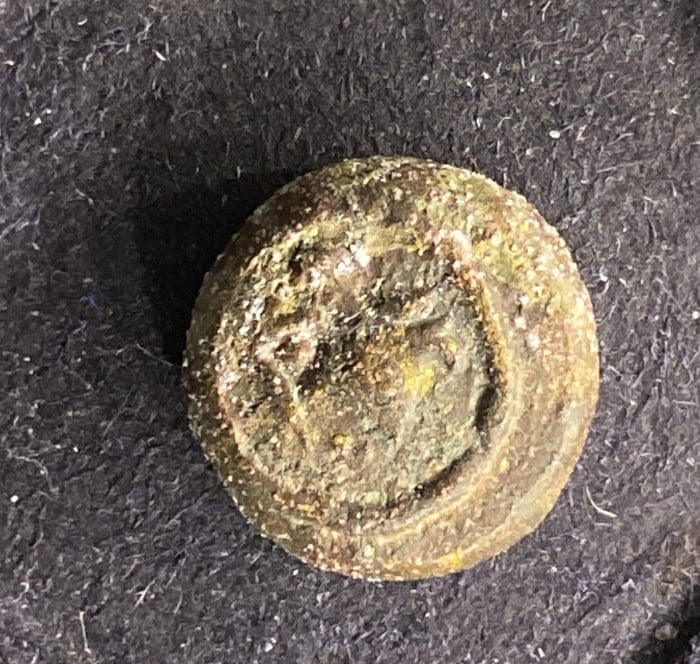
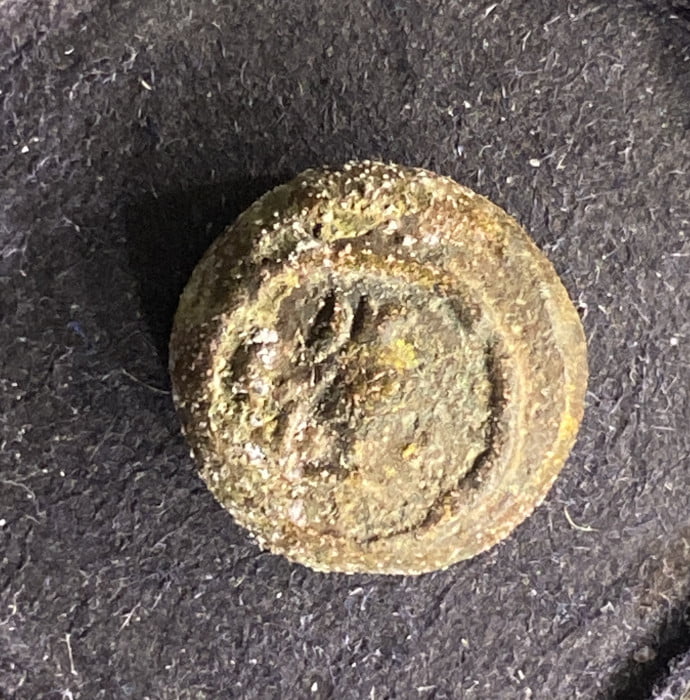
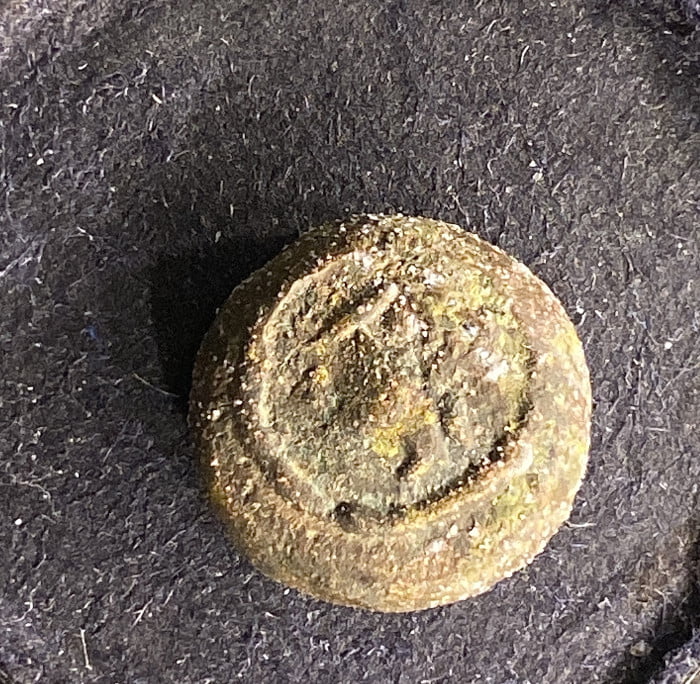

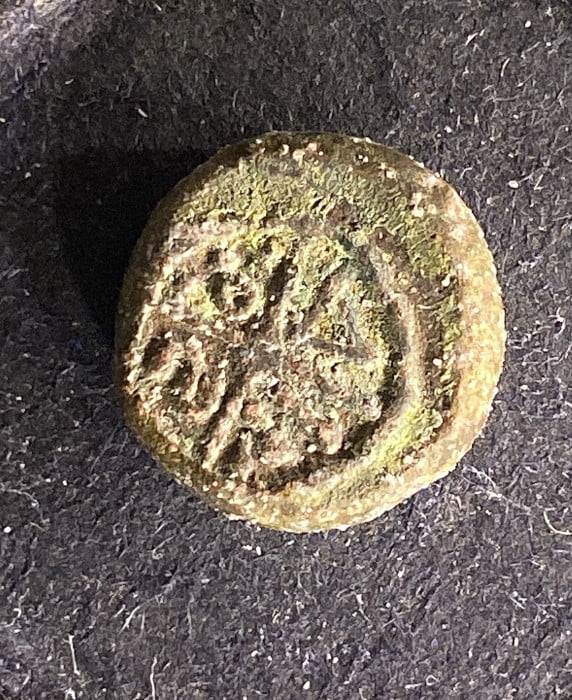
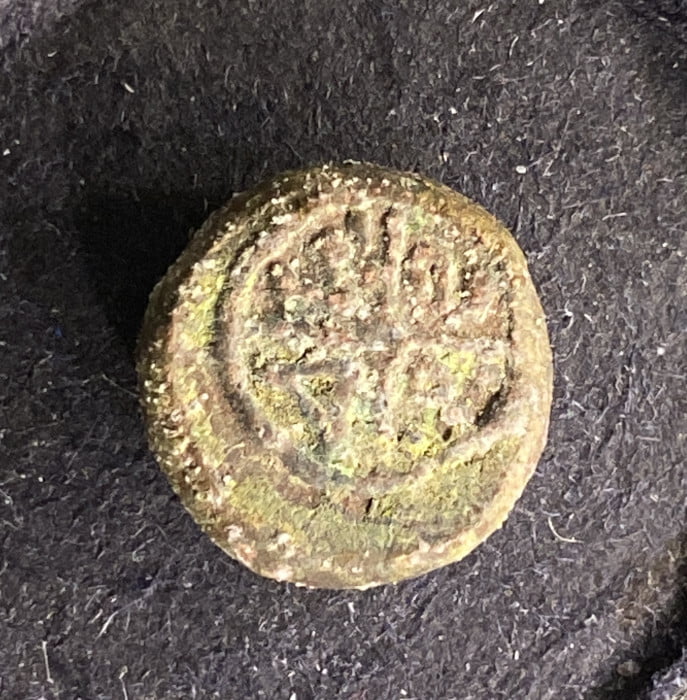
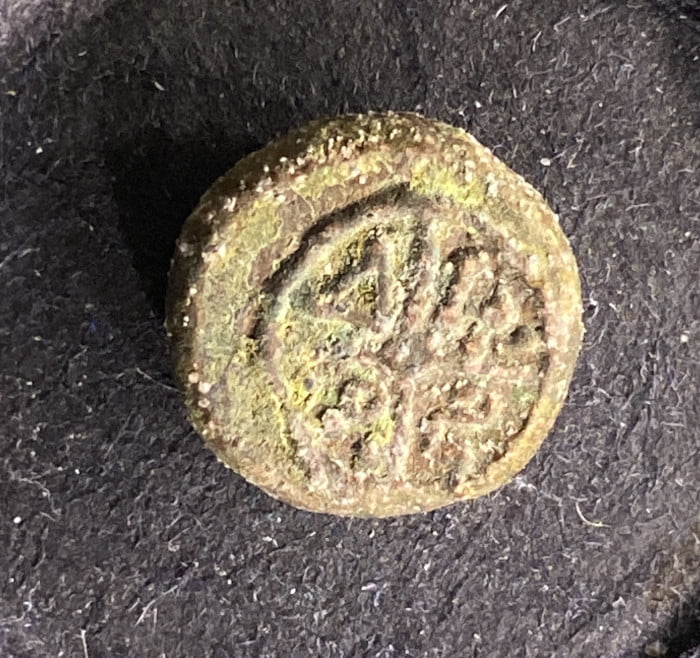

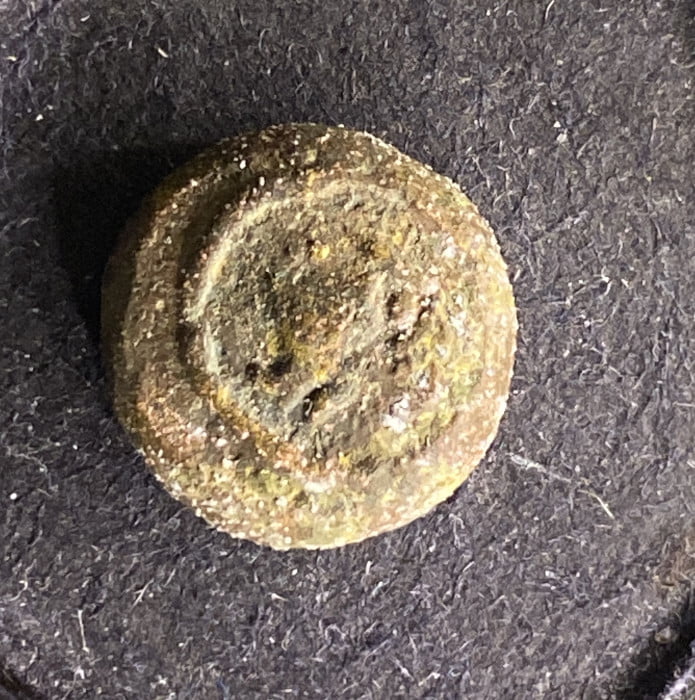
Description
| Ruler: Celtic, Sequanes | Period: to |
|
|
|
- Celtic coins are a type of ancient coinage produced by the Celtic peoples across Europe. They were first produced in the late 4th century BC, and continued to be minted until the early 1st century AD. Celtic coins were typically made of silver or bronze, and often featured images of animals, humans, or deities. They are particularly attractive for their artistic approach and organic designs often based on Greek-Macedonian prototypes such as the coins of Philip and Alexander. The reason for this link seems to be that Greek military strategy often adopted Celtic warriors as mercenary troops, for which they paid in Greek gold coinage which in turn acted as prototypes for Celtic local coinage.
- Like Brass, Bronze is an alloy of copper, but alloyed with Tin rather than Zinc. It was first used by humans around 3000 BCE. The earliest known examples of bronze objects are from the Sumerian city of Ur, in modern-day Iraq. Bronze was widely used in the ancient world for making tools, weapons, and armor, as well as for sculpture and other decorative items. The process of making bronze involves heating copper and tin to a high temperature and then pouring them into a mold. Once the metal has cooled and hardened, it can be shaped into the desired form. Its great durability made it an ideal material for ancient coinage.


